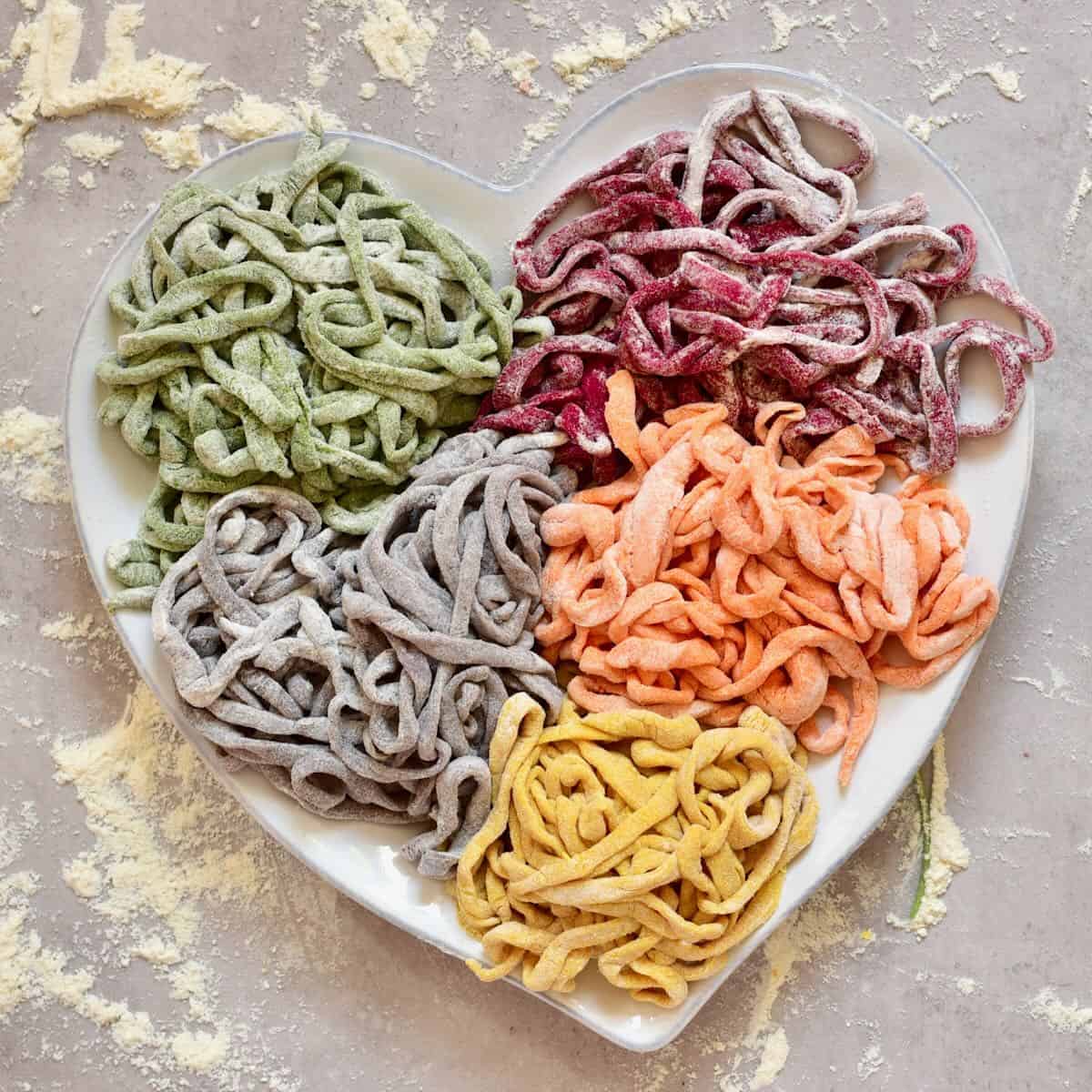
Homemade Rainbow Pasta: Unleash All-Natural Colors From Your Kitchen
Imagine a plate of pasta so vibrant, so inviting, it looks like a culinary masterpiece. Now imagine that every stunning hue comes not from artificial dyes, but directly from the earth's bounty – fresh vegetables. This is the magic of **all natural homemade rainbow pasta**, a delightful and healthy way to elevate your mealtime. While rainbow desserts have long graced our tables with convenient food colorings, achieving a truly appetizing and wholesome rainbow in a savory dish demands a more thoughtful approach. It’s about celebrating the natural brilliance of ingredients, transforming everyday pasta into an edible work of art that’s as good for you as it is beautiful.
The allure of naturally colored pasta extends beyond its visual appeal. It speaks to a growing desire for transparency in our food, for cleaner ingredients, and for dishes that nourish both body and soul. For those keen to explore a truly plant-based journey, many of these natural colorants lend themselves perfectly to a vegan adaptation, making this an inclusive culinary adventure.
Why Choose All-Natural Colors for Your Pasta?
The decision to opt for natural coloring agents in your homemade pasta is driven by a host of compelling benefits. First and foremost is the health aspect. Unlike artificial food dyes, which can be a concern for some, vegetable-derived colors introduce additional nutrients, vitamins, and antioxidants into your meal. You're not just adding color; you're adding goodness.
Beyond health, there's a significant difference in how natural colors interact with the food itself. While artificial dyes might suffice for sweet treats, they often fall flat in savory dishes, sometimes leaving an odd aftertaste or a garish, unappetizing hue. Natural colors, on the other hand, integrate seamlessly, creating softer, more sophisticated tones that enhance the dish's overall appeal without altering its inherent flavor. Think of the deep, earthy red of beetroot or the fresh, verdant green of spinach – these colors evoke a sense of wholesome freshness that artificial alternatives simply cannot replicate.
Furthermore, the process of creating
Simple Natural Rainbow Pasta: No Artificial Colors Needed is an experience in itself. It connects you more intimately with your food, transforming cooking from a chore into a creative act. The satisfaction of seeing your kitchen counter adorned with doughs in a spectrum of naturally derived colors is immense, promising a truly unique and memorable dining experience. It's a testament to the fact that vibrant food doesn't require compromise; it simply requires a little creativity and a celebration of nature's palette.
The Vibrant Palette: Crafting Your All-Natural Hues
The journey to your **all natural homemade rainbow pasta** begins with selecting your color agents. The basic principle remains consistent: blend your chosen vegetable with the liquid component (usually egg, or an egg substitute for vegan doughs) before incorporating it into the flour. A standard pasta dough calls for roughly 1 cup of 00 flour and one egg per portion or color, but this will need adjustment depending on the moisture content of your vegetable. Wetter ingredients like roasted peppers might require a touch more flour to achieve the perfect, non-sticky dough consistency.
A Spectrum of Ingredients for Stunning Shades
Here’s a guide to unlocking a beautiful array of natural colors:
*
Dazzling Red: Beetroot
For a deep, earthy red, boiled beetroot is your best friend. A single medium-sized boiled beetroot, blended with your egg (or liquid), will yield a rich crimson. For variations in intensity or a more pinkish hue, you can experiment by adding a small amount of boiled carrots. Beetroot pasta offers a subtle, sweet undertone that complements many sauces.
*
Sunny Orange: Roasted Red Pepper
Achieving a vibrant orange is surprisingly easy with roasted red peppers. Roasting one red pepper in the oven for about 10-15 minutes at 200°C (390°F) softens it and intensifies its color and flavor. Once cooled, blend it with your wet ingredients. Be mindful that peppers have high water content, so you’ll likely need to add extra flour during the blending and kneading process to prevent a sticky dough.
*
Golden Yellow: Turmeric or Yellow Bell Pepper
While not in the original references, a bright yellow can be easily achieved. For a subtle, earthy yellow, a pinch of turmeric powder added to your flour can work wonders. Alternatively, for a more vibrant, vegetable-based yellow, roast a yellow bell pepper (similar to the red pepper) and blend it into your dough.
*
Lush Green: Spinach or Parsley
For classic green pasta, spinach and parsley are excellent choices. About 1 cup of fresh spinach or parsley, blanched briefly or used raw, and then blended into your wet ingredients, will produce a lovely green. Spinach tends to yield a darker, more muted green, while parsley can offer a brighter, fresher tone. Both options add a delicate, herbaceous note.
*
Mysterious Purple/Blue: Red Cabbage or Purple Potatoes
This is where things get really exciting! Boiled red cabbage is fantastic for a striking purple. The magic happens when you consider pH. If you want to lean more towards a vibrant blue, add a pinch of baking powder to your boiled cabbage before blending; this will shift the pH and miraculously transform the purple to blue. Alternatively, 1-2 baked purple potatoes can also create a beautiful violet hue, offering a creamier texture to the dough.
*
Dramatic Black/Dark Gray: Activated Charcoal or Black Cocoa
While black isn't traditionally a rainbow color, it provides a stunning contrast. For an **all natural homemade rainbow pasta** palette, activated charcoal powder is a fantastic vegan option that imparts a deep, dramatic black without affecting taste. A small amount goes a long way. For a non-vegan option, squid ink is traditionally used for black pasta. If you're open to a slight chocolatey note in a sweet application (or a surprising savory one!), black cocoa powder can also achieve a deep color.
Mastering the Art of Homemade Pasta Dough
Creating fresh pasta dough, especially when dealing with various colors, is a rewarding process. The basic formula is straightforward, but success lies in understanding the dough's feel.
Start by combining your chosen coloring agent (blended with egg/liquid) with 00 flour. Knead the dough vigorously for about 10-15 minutes until it becomes smooth, elastic, and no longer sticky. The texture is key – it should be firm but pliable. If it's too sticky, gradually add more flour; if it's too dry and crumbly, add a tiny bit more liquid. This adjustment is particularly important when working with vegetables that have varying moisture levels.
Once kneaded, wrap each ball of colored dough tightly in plastic wrap and let it rest at room temperature for at least 30 minutes. This resting period is crucial as it allows the gluten to relax, making the dough much easier to roll and preventing it from snapping back. While the process of making multiple colors of dough can be time-consuming, the individual steps for each are simple and therapeutic.
Rolling and Shaping Your Colorful Creations
After resting, your dough is ready to be transformed into pasta.
*
Using a Pasta Machine: This is the most efficient way to achieve uniform thickness. Start by flattening a dough ball with a rolling pin until it's thin enough to fit through the widest setting ('0' or '1') of your pasta machine. Feed the dough through, then fold it in half or thirds, and pass it through again. Repeat this several times, lightly flouring the dough as needed, until it has a uniform shape and smooth texture. Gradually decrease the machine's setting, passing the dough through each setting until you reach your desired thinness (usually setting 5 or 6 for fettuccine, thinner for ravioli).
*
Hand Rolling: If you don't have a pasta machine, a rolling pin works perfectly well, though it requires more elbow grease and practice to achieve consistent thinness. Flour your work surface and rolling pin generously. Roll the dough out from the center outwards, rotating it frequently, until it's paper-thin.
Once rolled, you can cut your pasta into various shapes – fettuccine, tagliatelle, pappardelle, or even intricate ravioli. Hang the freshly cut pasta on a drying rack or dust lightly with flour and arrange on a baking sheet to prevent sticking, especially if you won't be cooking it immediately. For longer storage, fresh pasta can be dried completely or frozen.
Bringing Your Rainbow to the Plate: Cooking and Serving
Cooking fresh, **all natural homemade rainbow pasta** is surprisingly quick. Bring a large pot of salted water to a rolling boil. Add your pasta and cook for just 2-4 minutes, or until al dente. Fresh pasta cooks much faster than dried, so keep a close eye on it.
To truly showcase your colorful creation, pair it with a light, complementary sauce. A simple olive oil and garlic sauce, a vibrant pesto (perhaps a parsley pesto to enhance green pasta!), or a delicate butter and sage sauce will allow the natural beauty of the pasta to shine through. Avoid heavy, opaque sauces that might obscure your artistic efforts. Consider layering different colors in your serving bowl or weaving them together for a stunning visual effect that will impress any diner.
Making **all natural homemade rainbow pasta** is more than just cooking; it's an exploration of flavor, color, and culinary creativity. It’s an invitation to experiment, to embrace the wholesome goodness of nature, and to share a truly special meal with loved ones. For deeper dives into plant-based options and vibrant pasta creations, you might enjoy reading
Vibrant Vegan Pasta: Craft All-Natural Rainbow Hues.
Conclusion
The journey of crafting **all natural homemade rainbow pasta** is a testament to the idea that food can be both deeply nourishing and incredibly beautiful without relying on artificial enhancements. From the earthy reds of beetroot to the verdant greens of spinach and the surprising blues of red cabbage, nature provides an exquisite palette ready for your culinary canvas. While it demands a little time and dedication, the satisfaction of presenting a dish so visually stunning, so wholesome, and so utterly delicious is unparalleled. So, roll up your sleeves, embrace the vibrant world of vegetables, and transform your pasta night into an unforgettable, colorful celebration.