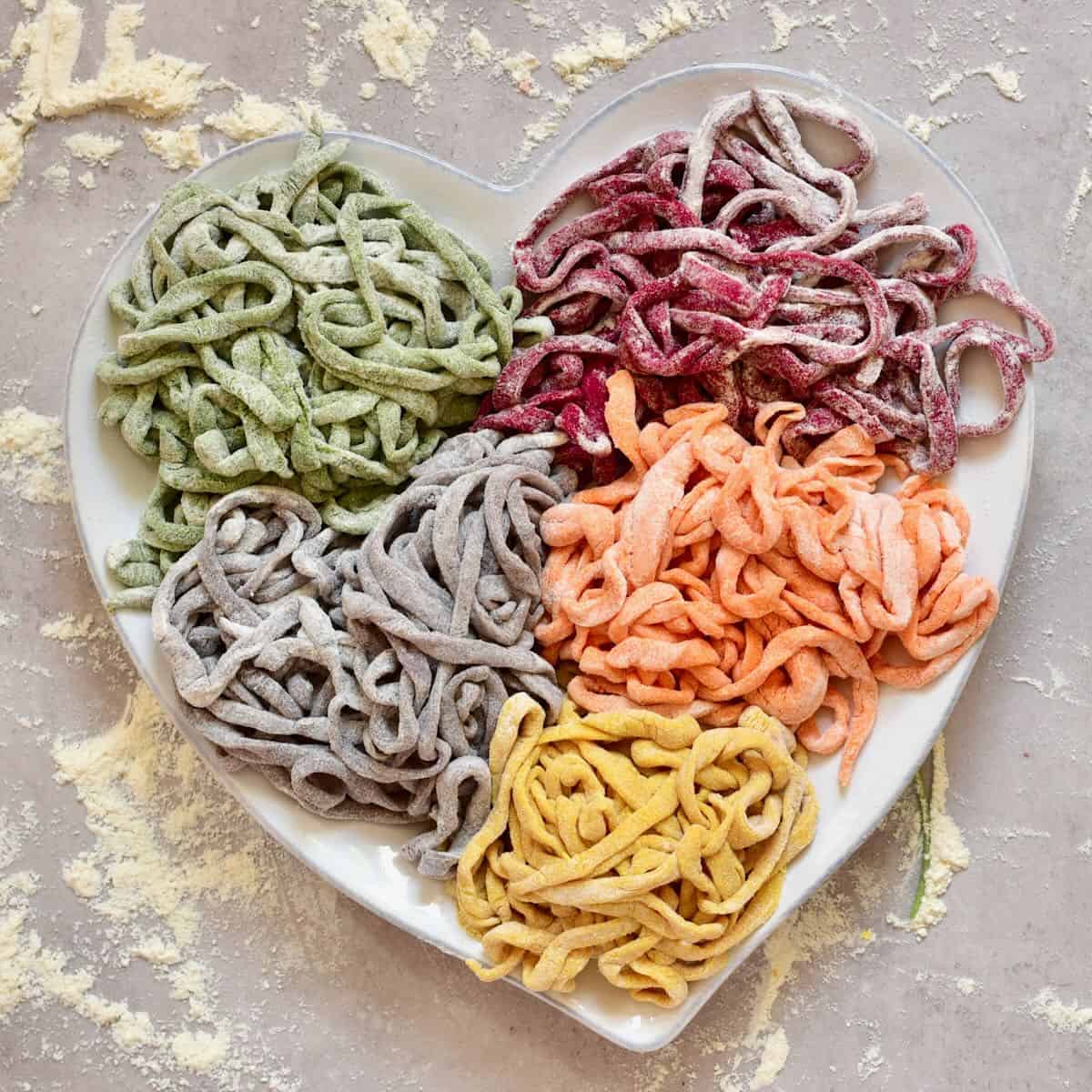
Unleash Your Inner Chef: Crafting Vibrant Vegan Pasta with All-Natural Rainbow Hues
In a world increasingly captivated by both culinary artistry and mindful eating, the humble pasta dish is undergoing a spectacular transformation. Forget bland beige; imagine a plate bursting with color, each strand a testament to nature's palette. We're talking about more than just aesthetically pleasing food; we're diving into the delightful, nutritious, and utterly rewarding process of creating
all natural homemade rainbow pasta. This isn't just a meal; it's an experience, a vibrant celebration of plant-based goodness, and a simple yet profound way to bring joy to your table.
While rainbow desserts have become commonplace, achieving an appetizing, savory rainbow dish without resorting to artificial food dyes has often felt like a culinary secret. But the truth is, Mother Nature provides an abundance of brilliant hues, hidden within everyday vegetables, waiting to transform your pasta into a masterpiece. And what better way to embrace this natural bounty than by crafting a completely vegan version? This article will guide you through the journey of making pasta that not only tantalizes the eyes but also nourishes the body, proving that healthy and vibrant can indeed go hand-in-hand.
Why Choose All-Natural & Vegan for Your Pasta Palette?
The decision to craft pasta using only natural, plant-based ingredients for color and composition goes far beyond simple aesthetics. It's a conscious choice that elevates your culinary creation in multiple ways:
- Uncompromised Health & Purity: The most significant benefit is the complete absence of artificial food colorings, which can often contain synthetic chemicals. Instead, you're infusing your pasta with the inherent goodness of vegetables – adding vitamins, minerals, and antioxidants with every colorful strand. This makes for a meal that truly feels wholesome and nourishing.
- Authentic Flavor Integrity: Unlike artificial dyes which offer only visual appeal, natural vegetable colorants often impart subtle, earthy undertones that complement the pasta's taste without overpowering it. Beetroot might lend a faint sweetness, while spinach adds a hint of verdant freshness. This keeps the pasta tasting like *pasta*, enhanced by nature's touch.
- Visually Irresistible Appeal: Let's be honest, we eat with our eyes first! A plate of brilliantly colored pasta is inherently more exciting and appetizing. It transforms an everyday meal into a special occasion, perfect for impressing guests or simply delighting your family. The thought of creating such vivid hues from pure, unprocessed ingredients makes the final dish even more appealing.
- Embracing Vegan Philosophy: While some may not adhere to a strict vegan diet, exploring plant-based options like this vibrant pasta offers immense benefits. It promotes ethical consumption, reduces environmental impact, and encourages a deeper connection with whole, natural foods. This recipe provides an incredible option for those seeking delicious, dairy-free, and egg-free culinary adventures, demonstrating how rich and satisfying vegan cuisine can be.
- The Joy of Creation: There's unparalleled satisfaction in kneading dough, watching it transform, and then seeing the vivid colors come to life. It's a meditative, rewarding process that connects you more deeply with the food you consume.
The Art of Crafting Your Rainbow Dough: Step-by-Step
Making fresh pasta, especially multiple colors, requires a bit of time and patience, but the steps themselves are wonderfully simple and meditative. For each distinct color, you'll essentially be making a small, individual batch of dough. This approach allows for maximum vibrancy and control.
The Basic Vegan Pasta Dough Principle:
Instead of the traditional egg, we rely on the liquid content of our colorful vegetables to bind the flour. The general ratio for each color portion will be roughly 1 cup of 00 flour (or all-purpose flour) combined with the pureed vegetable. The exact amount of flour may need adjustment based on the moisture content of your specific vegetable puree. The goal is a firm, pliable, non-sticky dough.
Here's how to create your natural color palette:
Gathering Your Hues:
- Ruby Red (Beetroot): For a stunning red, use 1 medium-sized boiled beetroot. You can boil it until tender, then peel and chop. For a deeper, more robust red, you might consider adding a small amount of boiled carrot alongside the beetroot.
- Sunny Orange (Roasted Red Pepper or Carrots): To achieve a beautiful orange, roast 1 red pepper in the oven at 200°C (400°F) for 10-15 minutes until softened and slightly charred. This roasting process intensifies its color and sweetens its flavor. Alternatively, boiled carrots offer a bright, true orange.
- Golden Yellow (Turmeric or Yellow Bell Pepper): A pinch of high-quality turmeric powder can create a brilliant yellow, or for a vegetable-based option, roast a yellow bell pepper following the same method as the red pepper. You could also use boiled yellow carrots if available.
- Emerald Green (Spinach or Parsley): For a vibrant green, opt for 1 cup of fresh spinach or a generous bunch of parsley. Both yield excellent results, with spinach often providing a slightly deeper hue.
- Violet Purple & Ocean Blue (Red Cabbage): This is where it gets truly magical! Boil 1 cup of chopped red cabbage until very tender. To achieve a stunning purple, use the puree as is. For an incredible ocean blue, add a tiny pinch of baking soda to your pureed red cabbage. The anthocyanin pigments in red cabbage are pH-sensitive; baking soda (alkaline) shifts them from purple to blue. A little goes a long way! Alternatively, 1-2 baked purple potatoes can also create a lovely purple.
The Dough-Making Process for Each Color:
- Puree Your Color: In a high-speed blender or food processor, combine your chosen vegetable (beetroot, roasted pepper, spinach, etc.) with a minimal amount of water if necessary, until you achieve a very smooth, lump-free puree. For this vegan version, the vegetable puree *is* your binding liquid, replacing the egg.
- Combine & Blend: Add 1 cup of 00 flour to your blender/food processor along with the vegetable puree. Blend until a rough, shaggy dough forms.
- Knead to Perfection: Turn the dough out onto a lightly floured surface. Knead with your hands for 5-10 minutes. The kneading process is crucial for developing the gluten, which gives pasta its characteristic chewiness. As you knead, if the dough feels too sticky, gradually add a little more flour, a teaspoon at a time, until it’s smooth, elastic, and no longer sticks to your hands. If it's too dry and crumbly, add a tiny splash of water (or more vegetable puree).
- Rest & Relax: Once smooth, form each colored dough into a ball. Lightly dust with flour, wrap tightly in plastic wrap (or a damp cloth), and let it rest at room temperature for at least 30 minutes. This resting period allows the gluten to relax, making the dough much easier to roll out. For more comprehensive insights into crafting these natural hues, check out our guide on Homemade Rainbow Pasta: All-Natural Colors From Veggies.
Rolling and Shaping Your Colorful Creations
Once your vibrant doughs have had their well-deserved rest, it's time for the exciting part: transforming them into pasta strands!
Using a Pasta Machine:
This is the easiest and most consistent method for achieving thin, uniform pasta.
- Initial Flattening: Take one ball of rested dough. Flatten it slightly with your hands or a rolling pin until it's thin enough to pass through the widest setting ('0' or '1') of your pasta machine.
- Gradual Thinning: Feed the dough through the widest setting. Fold the dough in half or in thirds (like an envelope) and pass it through again. Repeat this folding and rolling 3-4 times. This helps to further develop the gluten and create a smooth, even sheet. Lightly flour the dough as needed to prevent sticking.
- Progressive Settings: Gradually decrease the thickness setting on your machine, passing the dough through each setting once or twice, until you reach your desired thinness (typically settings 5-7 for most types of pasta). Keep the sheets lightly floured as you work.
- Cut Your Shapes: Once your sheets are perfectly thin, attach the desired cutting attachment (fettuccine, tagliatelle, spaghetti, etc.) to your machine and feed the pasta sheets through.
Hand Rolling and Cutting:
Don't own a pasta machine? No problem! This method is more labor-intensive but entirely achievable.
- Roll It Out Thin: On a lightly floured surface, use a long rolling pin to roll out your dough. Work from the center outwards, rotating the dough frequently to ensure an even thickness. The goal is to get it as thin as possible – you should almost be able to see through it.
- Fold & Cut: Once rolled thin, lightly flour the sheet, then fold it loosely onto itself several times (like rolling a carpet, but not too tightly). Using a sharp knife, slice the folded dough into your desired noodle width (e.g., ¼ inch for fettuccine).
- Unfurl: Gently unfurl the cut noodles and lay them out on a lightly floured baking sheet or hang them to dry slightly.
Finishing Touches: Once cut, lay your fresh pasta strands on a semolina-dusted tray or hang them on a drying rack for about 15-30 minutes. This slight drying prevents them from sticking together when cooked. For more ideas on simple, natural pasta preparation, explore
Simple Natural Rainbow Pasta: No Artificial Colors Needed.
Tips for Success and Creative Servings
Making
all natural homemade rainbow pasta is a delightful journey, and a few key tips can ensure your success:
- Dough Consistency is Key: The perfect dough is firm, elastic, and not sticky. Too wet, and it's impossible to roll; too dry, and it will crack. Don't be afraid to adjust flour/liquid slightly as you knead.
- Keep Dough Covered: As you work with one color, keep the other dough balls tightly wrapped to prevent them from drying out.
- Flour Liberally (but not excessively): Use a light dusting of flour or semolina on your work surface, rolling pin, and pasta sheets to prevent sticking, but avoid using too much, which can make the pasta tough.
- Cooking Fresh Pasta: Fresh pasta cooks much faster than dried pasta – often in just 2-4 minutes. Cook in a large pot of generously salted boiling water until al dente.
- Storage: Fresh pasta can be cooked immediately. For later use, it can be refrigerated for 2-3 days (stored in an airtight container dusted with semolina) or frozen for up to a month. If freezing, portion it into nests on a floured baking sheet, freeze until solid, then transfer to a freezer bag. Cook from frozen, adding a minute or two to the cooking time.
Serving Your Rainbow Masterpiece:
The beauty of rainbow pasta is that it's a showstopper on its own. Keep sauces light to let the colors shine through.
- Simple Olive Oil & Garlic: A drizzle of good quality extra virgin olive oil, sautéed garlic, chili flakes, and fresh parsley.
- Fresh Pesto: A vibrant basil pesto (vegan version with nutritional yeast) complements the colors beautifully.
- Light Vegetable Sauces: Toss with roasted cherry tomatoes, sautéed mushrooms, or steamed asparagus.
- Creamy Vegan Alfredo: A cashew-based cream sauce can be luxurious without overpowering the visual appeal.
- Lemon & Herbs: A squeeze of fresh lemon juice, lemon zest, and a mix of fresh herbs like dill, chives, or mint.
Conclusion: A Palette of Possibilities on Your Plate
Crafting
all natural homemade rainbow pasta is more than just a recipe; it's an adventure in culinary creativity and a testament to the simple power of nature. From the tactile pleasure of kneading each colorful dough to the visual delight of serving a dish bursting with every hue, this process transforms mealtime into a vibrant celebration. You're not just making pasta; you're creating edible art that is healthy, delicious, and incredibly satisfying. So, roll up your sleeves, embrace the colors of the earth, and get ready to serve a truly unforgettable meal that delights the senses and nourishes the soul. Your journey into the world of vibrant vegan pasta starts now!